Source Working Led Light for Garden, Medical, and Industrial Use
Source working led light options from 30 verified products. Compare specifications like IP ratings, power input, and certifications to find suitable lighting for garden, medical, and industrial applications. Evaluate materials such as steel, PVC, and ABS, along with features like solar input and waterproof resistance to ensure the right fit for your specific project requirements and budget constraints.
Key considerations
Products List




Comprehensive Sourcing Guide
Working Led Light Sourcing Guide
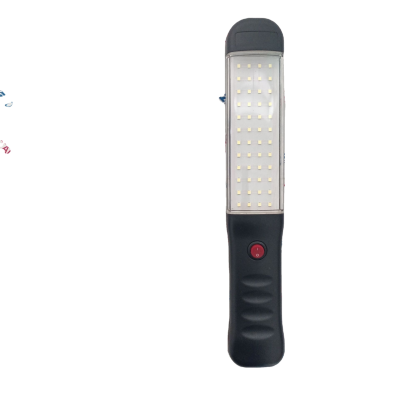
Procuring working LED lights requires a clear understanding of the diverse material compositions and functional designs available in the current market. Buyers must distinguish between units constructed from steel, PVC, or a combination of ABS and PP plastics, as these materials dictate durability and environmental resistance. The observed product range includes specialized models designed for garden usage, while others serve as operating lights for industrial or medical applications.
Verification of specific attributes is critical before placing an order, as the market offers significant variation in customization options and power inputs. Some units feature solar panels with specific wattage ratings and battery capacities, while others rely on direct DC or AC power supplies. Buyers should carefully review the listed unit weights and packing methods, such as carton or box configurations, to ensure logistics compatibility with their specific distribution channels.
Product Scope and Observed Listing Signals
The observed market signals indicate a wide spectrum of pricing and minimum order quantities that directly impact procurement strategy. Prices range from nominal entry-level costs to substantial figures, reflecting differences in complexity and component quality. Minimum order quantities vary significantly, with some suppliers offering single-item purchases while others enforce strict thresholds of 1000 pieces, necessitating a clear assessment of inventory needs before engaging with vendors.
Listing details reveal specific model numbers and dimensional standards that help buyers identify the exact form factor required for their projects. Models such as the SF-1S and various L602 series units display precise dimensions, while others like the TK and DX series offer different size profiles. These physical specifications, combined with the stated origin in China, provide a baseline for evaluating shipping costs and potential supply chain lead times.
Technical Specifications to Verify
Buyers must rigorously verify the electrical and physical specifications to ensure compatibility with existing infrastructure and operational requirements. Key parameters include input power ratings, such as 120va, and specific fuse requirements like F3al 250V, which are essential for safety and circuit protection. Additionally, the center illuminance range of 40klx to 160klx indicates the light intensity suitable for high-precision tasks, distinguishing these units from general ambient lighting solutions.
The power source configuration is another critical technical factor that determines the versatility and deployment location of the light. Some units are equipped with 0.35W poly solar panels and 3.2V LiFePO4 batteries, allowing for off-grid operation in garden settings, while others require stable DC or AC inputs. The presence or absence of an LCD display and the specific bulb type, such as LED, further define the user interface and maintenance needs of the equipment.
Compliance and Safety Documentation
Ensuring regulatory compliance is a non-negotiable step when sourcing working LED lights for international markets. The observed listings include certifications such as RoHS, CE, CCC, E-mark, SONCAP, and PVOC, which indicate adherence to various regional safety and environmental standards. Buyers must confirm that the specific batch they intend to purchase carries the necessary documentation for their target market, as these certifications vary by destination and application type.
Beyond general certifications, specific product standards and construction requirements must be validated to prevent liability issues. While some listings reference export standards, others imply compliance with industry-specific norms like UL 1598 or UL 8750, though these should be verified through direct supplier confirmation rather than assumed. The waterproof resistance attribute is particularly vital for outdoor applications, requiring proof of ingress protection ratings to ensure long-term reliability in harsh weather conditions.
Cost Drivers and Commercial Terms
The total cost of ownership is influenced by several factors beyond the unit price, including material composition, customization levels, and packaging requirements. Products utilizing advanced materials like ABS and PP or featuring solar integration often command higher prices due to the complexity of the components involved. Customization support, such as OEM services, adds another layer of cost that must be factored into the budget, especially for buyers requiring branded or specialized configurations.
Commercial terms regarding minimum order quantities and selling units significantly affect the financial viability of the procurement. While some suppliers allow for single-item purchases, others enforce bulk requirements of 1000 pieces, which can strain cash flow for smaller buyers. Understanding the unit weight of 131.8g and the specific packing dimensions is essential for calculating accurate freight costs, as these metrics directly impact shipping efficiency and overall logistics expenses.
Supplier Qualification and Quality Control
Establishing a robust supplier qualification process is essential to mitigate risks associated with product inconsistency and quality failures. Buyers should prioritize suppliers who demonstrate clear evidence of the listed certifications and provide transparent documentation regarding their manufacturing processes. The availability of customization support suggests a level of operational flexibility, but this must be balanced with a rigorous assessment of the supplier's ability to maintain consistent quality across large production runs.
Quality control measures should extend beyond the initial inspection to include ongoing monitoring of product performance and durability. The observed variation in product models and standards indicates a need for a sampling strategy that tests multiple units from different batches. Verifying the actual material composition and physical dimensions against the provided specifications ensures that the delivered goods meet the exact requirements of the procurement contract.
Long-Term Procurement Checks
Sustaining a successful supply chain relationship requires regular audits of product performance and supplier adherence to agreed-upon standards. Buyers should implement a schedule for re-verifying certifications and testing product samples periodically to ensure that quality has not degraded over time. This proactive approach helps identify potential issues with materials or manufacturing processes before they result in significant operational disruptions or customer complaints.
Long-term procurement also involves monitoring market trends and technological advancements that could render current specifications obsolete. As the industry evolves, new standards and energy efficiency requirements may emerge, necessitating a review of the current product portfolio. Maintaining open communication with suppliers regarding future product developments ensures that the procurement strategy remains aligned with the latest industry best practices and regulatory changes.
FAQs
What certifications are available for working led lights?
Certifications such as RoHS, CE, CCC, E-mark, SONCAP, and PVOC are available for working led lights. These ensure compliance with international safety and environmental standards. Buyers should verify specific certification requirements based on their target market regulations before placing orders to ensure smooth customs clearance and product acceptance.
Can working led lights be customized for specific needs?
Yes, customization is available for working led lights, including OEM support. Manufacturers can adjust specifications to meet unique project requirements. This flexibility allows buyers to tailor products for specific applications, ensuring the final output aligns precisely with their operational needs and branding preferences without compromising quality.
What is the typical MOQ for working led light orders?
The minimum order quantity for working led lights typically starts at 1000 pieces. Some suppliers may accept lower MOQs, but bulk orders often yield better pricing. Buyers should confirm MOQ details with manufacturers early in the sourcing process to align production schedules and manage inventory costs effectively.
How are working led lights packaged for shipping?
Working led lights are commonly packaged in cartons or individual boxes. Some models use inner gift boxes for added protection. Packaging dimensions vary by model, such as 110x110x150mm or 155x40x20mm. Proper packaging ensures product safety during transit and helps buyers optimize storage space and shipping logistics efficiently.
What materials are used in working led light construction?
Materials used include steel, PVC, ABS, PP, and LED components. Steel provides durability, while PVC and ABS offer lightweight and corrosion-resistant options. These materials ensure longevity and performance in various environments. Buyers should select materials based on the specific environmental conditions and durability requirements of their intended application.
What specifications are available for working led light models?
Specifications vary by model, with dimensions ranging from 106x106x47mm to 200x75x140mm. Models like SF-1S and L602-0020 offer distinct sizes. Buyers should choose specifications that fit their installation space and functional needs. Detailed dimensions help ensure compatibility with existing infrastructure and optimize the overall design integration.